

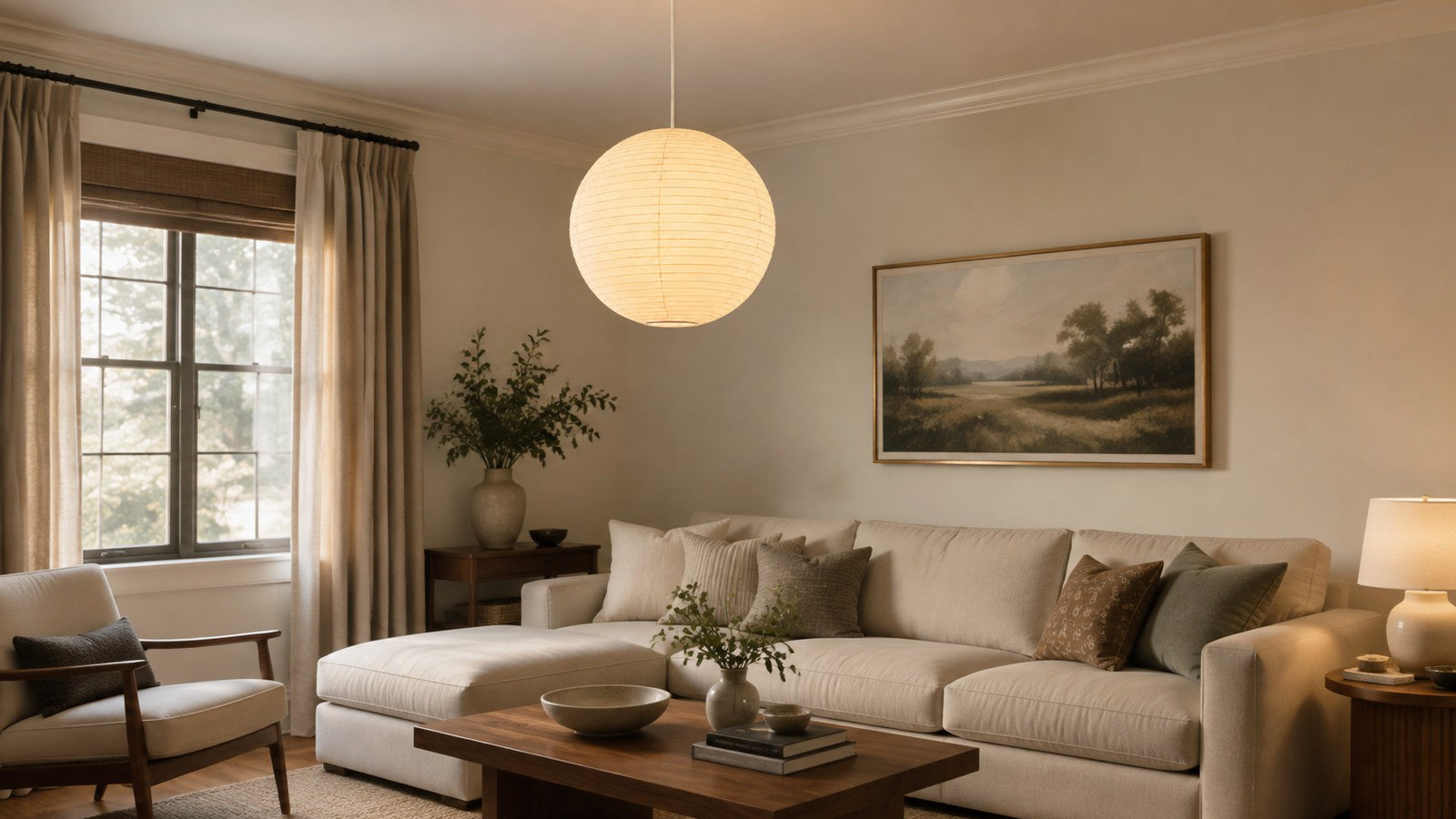
Warm White vs. Soft White Lighting: Which Is Better for Each Room?
Choosing a light bulb sounds simple until you’re standing in front of a wall of boxes labeled “warm white,” “soft white,” “bright white,” and “daylight.” The names sound clear, but they don’t always mean exactly the same thing from one brand to another.
That’s why I look at the Kelvin number first. Lower Kelvin temperatures create a warmer, more yellow-toned light, while higher numbers look cooler and whiter. In most home lighting, warm white and soft white sit somewhere around 2700K to 3000K. The difference can be subtle, but once the light fills an entire room, it can affect everything from wall color to how comfortable the space feels.

Warm White vs. Soft White: What’s the Real Difference?
Here’s the part that trips people up: “warm white” and “soft white” aren’t perfectly standardized shopping terms. One brand may call 2700K soft white, while another uses warm white for a very similar bulb.
For that reason, I’d pay more attention to the Kelvin rating than the wording on the package. Around 2700K tends to have a softer, slightly more golden look that feels close to a traditional incandescent bulb. Around 3000K still feels warm, but it usually looks a little cleaner and less yellow.
Neither one is automatically better. The right choice depends on the room, the colors around it, and what you actually do there.

Warm White or Soft White for the Living Room?
For a living room, I usually stay in the 2700K–3000K range.
If the room has warm wood, beige upholstery, cream walls, brass accents, or a cozy traditional feel, 2700K can make those finishes look especially inviting. It’s a good choice for movie nights, conversation, and the kind of evening lighting that makes you want to stay on the sofa a little longer.
A 3000K light works well when the living room feels more modern or has white walls, pale oak, gray furniture, or cleaner architectural lines. You still get warmth, but the room tends to look a little brighter and more defined.
I also prefer several lower-level light sources over one harsh ceiling light. A pendant, wall light, and table lamp can make the same color temperature feel much more comfortable because the light comes from different heights.
Layered lighting often matters just as much as the Kelvin number.

What Light Color Works Best in the Bedroom?
Bedrooms are where I’m most likely to choose the softer end of the spectrum.
A 2700K bulb has a relaxed quality that suits bedside lamps and low evening light. It works especially well with linen, wood, warm neutrals, and other materials that already make a bedroom feel calm.
That doesn’t mean 3000K is too cool for a bedroom. If your walls are crisp white or you prefer a cleaner contemporary look, 3000K can keep the room from feeling overly yellow while still staying comfortably warm.
The bigger mistake, in my experience, is choosing light that feels too bright or too blue late at night. Color temperature matters, but brightness matters just as much. A warm bulb can still feel uncomfortable if the fixture throws too much light directly into your eyes.

Choosing the Right Light for Dining Rooms and Kitchens
Dining rooms usually benefit from warmth. Food, wood finishes, table linens, and skin tones all tend to look more inviting under 2700K or 3000K light.
This is also where the shade makes a noticeable difference. A fabric shade can soften and diffuse the light instead of leaving the bulb fully exposed. Silk or other lightweight textile shades are especially useful when you want a gentle glow over a dining table, beside a bed, or in a living room. A replaceable 3000K bulb can work well in these spaces because it provides warmth without making the room look overly yellow.
For a kitchen, I’d separate decorative lighting from task lighting. A warm pendant over an island can create atmosphere, while brighter under-cabinet or work-surface lighting helps with chopping, measuring, and cleanup. You don’t have to make every fixture in the kitchen identical; keeping nearby color temperatures reasonably close is usually enough to make the room feel cohesive.

What About Bathrooms, Hallways, Entryways, and Home Offices?
These smaller spaces don’t all need the same answer.
For an entryway, I like 2700K–3000K because it gives guests a warmer first impression. Hallways also tend to feel nicer in that range, especially when they connect bedrooms and living areas.
Bathrooms depend on how you use the light. Soft, warm lighting can feel flattering and relaxing, but the mirror area often benefits from a slightly cleaner white so colors look easier to judge when getting ready.
A home office is different again. If you spend hours reading documents or working at a screen, I’d generally lean toward a clearer, somewhat cooler light than I’d use in a bedroom. Still, I wouldn’t turn the office into a blue-white box unless that kind of light genuinely helps you focus. Comfort matters when you sit in a room all day.

How Bulbs, Lampshades, and Dimming Change the Way Light Feels
Kelvin is useful, but it doesn’t tell the whole story.
A bare 3000K bulb can look sharper than the same color temperature behind a fabric or frosted glass shade. Shade material, opacity, bulb brightness, wall color, and even the amount of daylight in the room can change how warm the light appears.
That’s why I like fixtures with replaceable bulbs when possible. A fixture that uses a standard E26 or E27 bulb gives you more flexibility, so you can change the color temperature later instead of locking the room into one look forever. Dimming also helps, as long as you pair a dimmable bulb with a compatible wall dimmer.
If I had to make the choice simple, I’d use 2700K when I want a room to feel especially cozy and relaxed, and 3000K when I want warmth with a slightly cleaner appearance. For living rooms, bedrooms, and dining rooms, either can work beautifully. The number on the bulb matters, but the fixture, shade, brightness, and room finishes are what turn that number into an atmosphere.

Share:
How to Choose the Right Light Fixture for a Vaulted Ceiling
From Inspiration to Illumination: The Design Story Behind the Vornyx Pendant Lamp